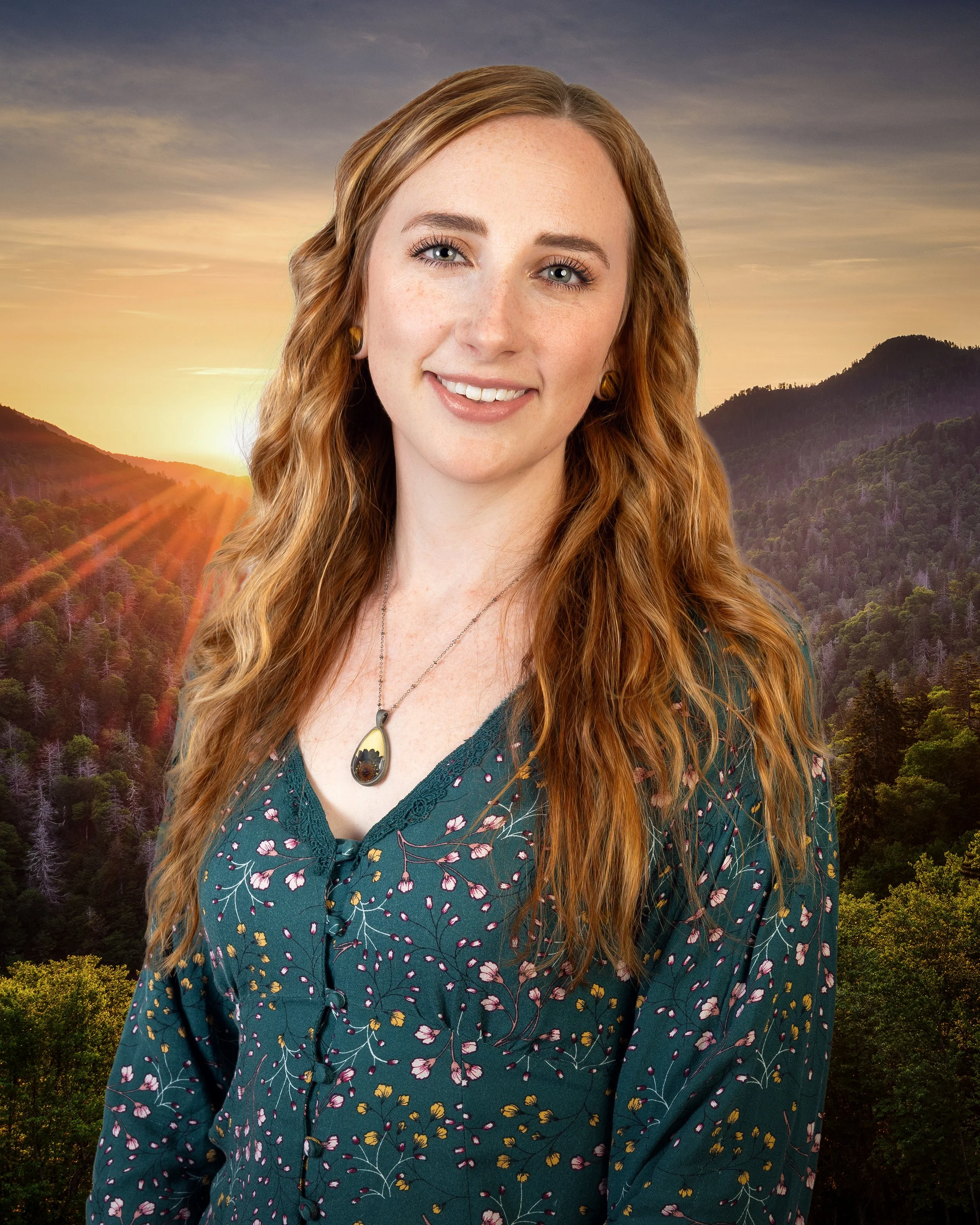
Brittany Winstead LCMHCA
Brittany Winstead (she/her) is a Licensed Clinical Mental Health Counselor Associate who earned her bachelor's degree in University Studies from East Carolina University and her master's degree in Mental Health Counseling from Walden University. She brings experience from the North Carolina community college system and elementary special education, which has deepened her understanding of the diverse ways we learn, cope, and grow across the lifespan.
Brittany's passion for counseling is rooted in her own journey of navigating life's challenges through connection, self-reflection, and personal growth. Raised in a conservative, rural town in North Carolina, she is deeply aware of the stigma surrounding mental health and the impact societal and cultural pressures can have on emotional well-being. These lived experiences have shaped her compassionate approach and her commitment to creating a space where clients feel seen, affirmed, and understood.
Brittany's connection to nature deeply informs her counseling style, and she views healing as a relational and nonlinear process, much like growth in the natural world. This perspective guides her use of grounding, mindfulness, and somatic practices to help clients slow down, tune into the body, and honor those natural rhythms of growth and change. She supports clients in reconnecting with their inner world, exploring underlying patterns and values, and developing coping strategies that foster balance, self-trust, and a sense of belonging.
Brittany works with individuals experiencing anxiety, depression, trauma, grief or loss. She is extremely passionate about supporting identity exploration and healing for individuals with marginalized identities, including LGBTQ+ and neurodivergent clients. In addition to therapy, she provides ADHD and autism assessments using a neurodiversity-affirming lens that honors each person's lived experience. Grounded in feminist and liberatory frameworks, Brittany's work centers social justice, explores power dynamics, and acknowledges the impact of systemic oppression on mental health. Her integrative, person-centered approach recognizes the interconnectedness of mind, body, and spirit.
Brittany is trained in S.A.F.E. (Somatic Attachment Focused) EMDR, an evidence-based approach that helps clients process and integrate traumatic experiences. She also draws from Cognitive Behavioral Therapy (CBT), Acceptance and Commitment Therapy (ACT), Existential Therapy, and mindfulness-based practices, tailoring treatment to each client's unique needs and goals. Brittany views the therapeutic relationship as a collaborative partnership—one where clients are empowered to co-author meaning, reconnect with their authentic selves, and move toward healing with compassion, curiosity, and hope. Healing isn't about fixing what's broken—it's about rediscovering the parts of you that have always been whole.
Brittany is in-network with the following insurance carriers:
Aetna
Aetna NC State Health Plan (BHAP provider)
Ambetter of North Carolina
Blue Cross Blue Shield (all PPO, Blue Advantage, Blue Local, Blue Value, Blue Care HMO, Indemnity, BlueHPN)
Cigna
MedCost
