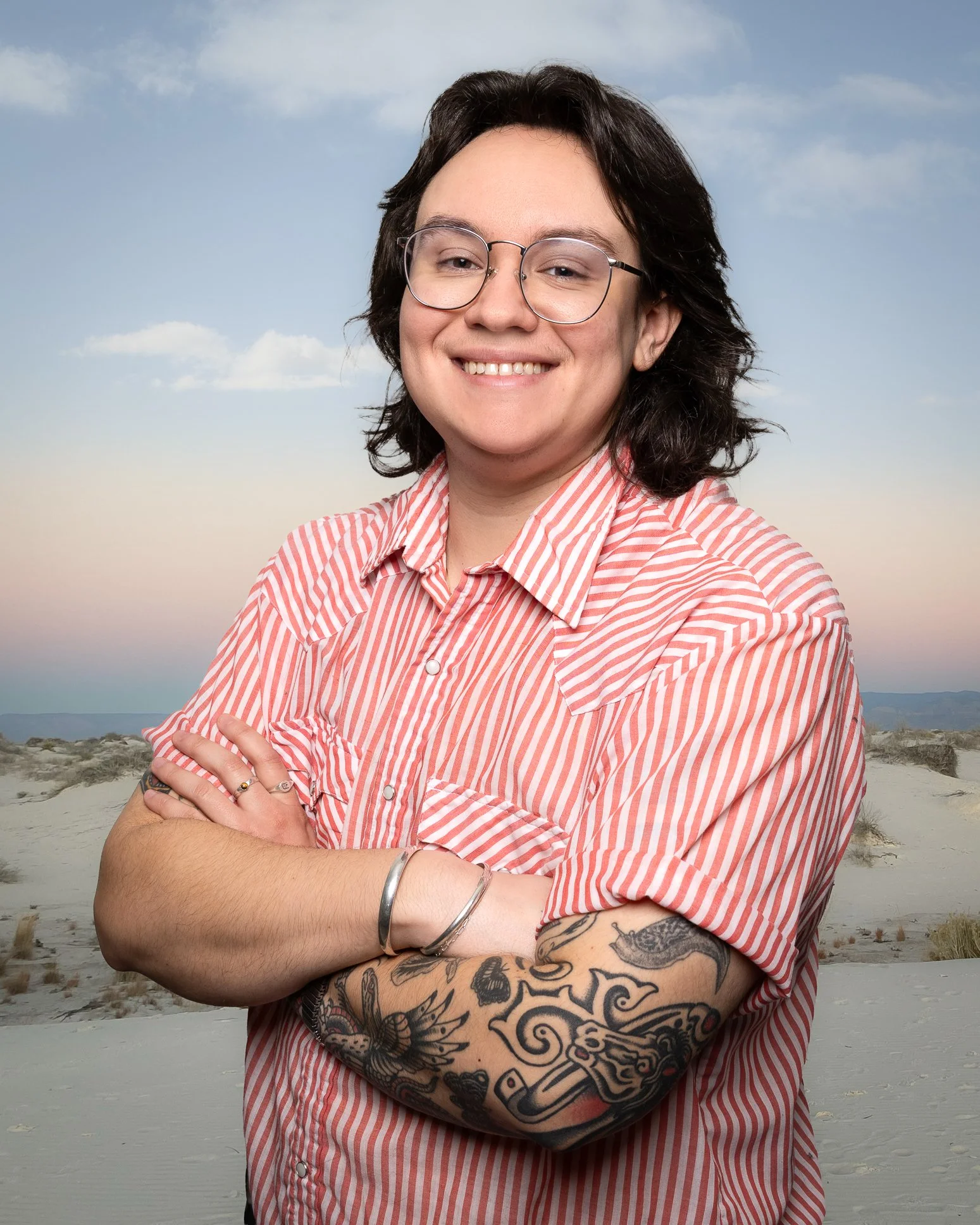
Rick Plotkin
Rick Plotkin (he/they) is a graduate student at North Carolina State University, pursuing his masters degree in clinical mental health counseling. He has five years of experience providing mental and behavioral health services, supporting people who experience severe and persistent mental health, substance use, developmental disabilities, and systemic housing barriers. Rick brings practical, real-world experience to supporting people as they navigate complex systems while building independence and stability.
Rick’s desire to be a Licensed Clinical Mental Health Counselor is inspired by his personal experiences and understanding of what it takes to commit to recovery. Rick draws from his transformative time in therapy as a person who has been affected by mental health, substance use recovery, chronic illness, neurodivergence, and trauma. Interfacing with the healthcare system as a queer and transgender person is a double edged sword. He’s inspired by the connections he’s made with mental health professionals who work creatively, in the face of the system, to help clients thrive. His work would be impossible without the mutual-aid fostered among his peers in recovery and in solidarity, which enables him to commit to his mental health and to help others do the same.
Rick takes a person-centered approach, meeting clients where they’re at and walking alongside them as they define and pursue their own goals. He has an eclectic counseling style informed by various theories/therapeutic approaches including existential therapy, Black feminist theory, harm reduction, family systems therapy, and dialectical behavioral therapy, emphasizing meaning-making, skill building, relational accountability, and an understanding of how power, identity, and family dynamics shape our lives. He believes everyone deserves autonomy and supports clients in healing from harmful messaging, while taking ownership of the changes they wish to make. Rick is especially interested in helping clients unlearn beliefs rooted in shame or unworthiness, and recognizes that experiences of rejection, violence, and systemic oppression can create wounds that are not the client’s fault, yet still require care and healing.
Rick works with individuals and couples to change unhelpful patterns of behavior, build healthy relationships, foster community, set boundaries, heal from codependency or hyper-independence, and move toward interdependence. He compassionately helps his clients to address anxiety, depression, emotional trauma, codependency, attachment issues, addiction, bipolar, ASD, and ADHD. He is especially interested in gender and identity exploration with clients across the gender spectrum, including those who identify under the trans umbrella as well as those who do not. He recognizes that gender impacts everyone, from the stigmatization of men’s mental health to the pressures of the Superwoman Complex. He also has extensive experience in working with neurodivergent individuals and diverse communities, and approaches his work with humility, curiosity, and a nonjudgmental, affirming presence.
